Study Visa Consultants: Your Guide to Studying Abroad from Pakistan
Studying abroad can open doors to better education, international experience, and new career opportunities. But before you can attend a university in another country, you need to understand the admission process, prepare the right documents, and meet the student visa requirements. For many Pakistani students, managing all these steps can feel confusing, especially when they’re applying for the first time.
This is where professional study visa consultants can help. They guide students through important parts of the process, from choosing a suitable study destination to preparing an application for the relevant immigration authority. With the right guidance, you can understand your options, avoid common mistakes, and make informed decisions about your education.
However, choosing a consultant requires care. Not every service offers the same level of support, and no consultant can guarantee that a university will accept you or that an embassy will approve your visa. The best approach is to work with a professional who explains the process clearly, gives honest advice, and helps you prepare an accurate application.
In this guide, you’ll learn how study visa consultants work, what services they provide, which documents you may need, how to choose a study destination, and what you should do before submitting your student visa application.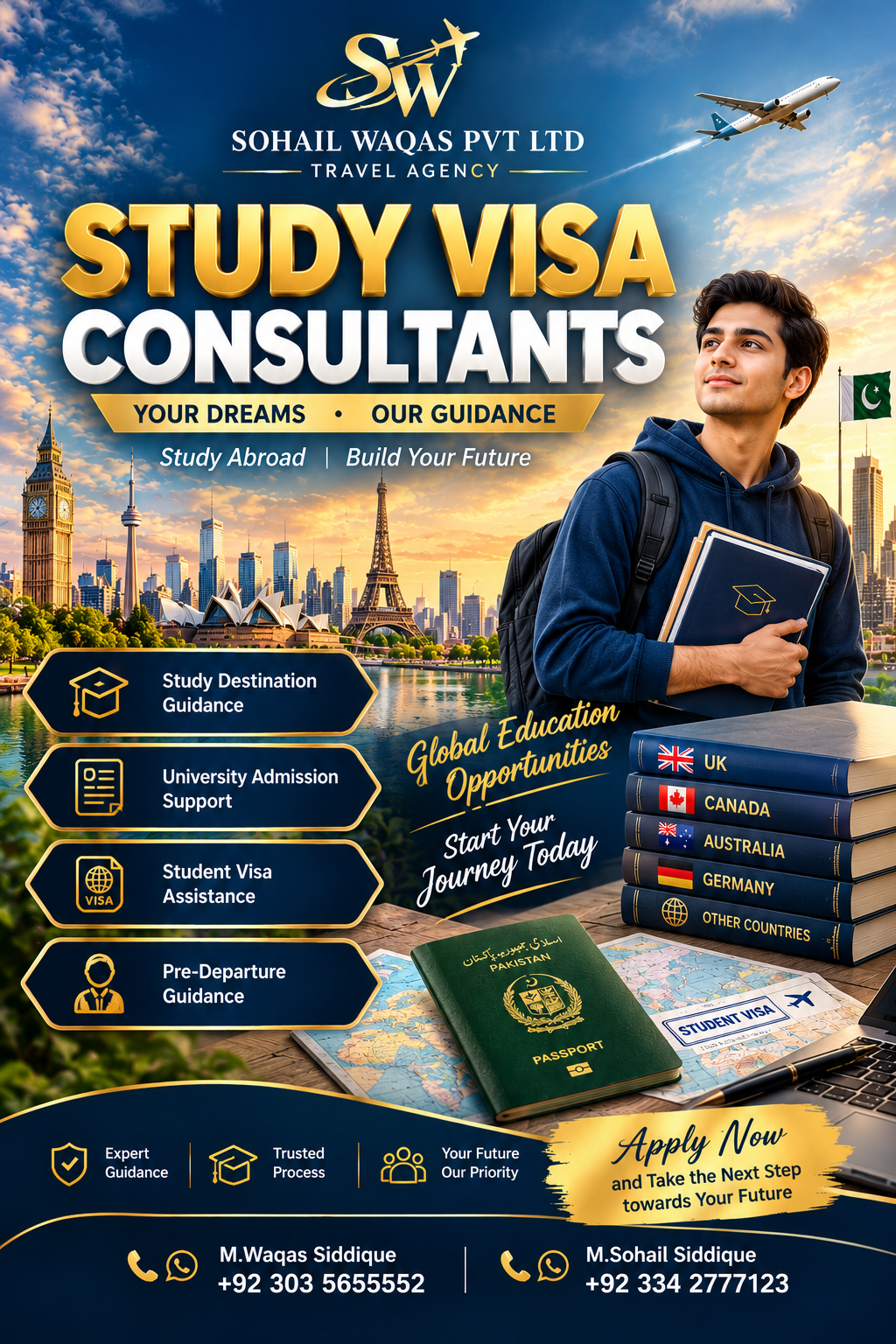
What Are Study Visa Consultants?
Study visa consultants are professionals or agencies that help students understand the process of studying in another country. Their services may cover university selection, admission applications, document preparation, visa guidance, and pre-departure planning.
For students in Pakistan, this support can be helpful when comparing international education systems or understanding the requirements of a particular destination.

For example, a student planning to study in the United Kingdom may need to understand university admission requirements, English-language requirements, financial evidence, and the student visa process. Someone applying to Germany may need to research recognized institutions, language requirements, and the rules that apply to their chosen course.
A consultant can help explain these steps and organize the process. The student must still provide truthful information, review the documents, and meet the requirements set by the university and immigration authorities.
What Do Study Visa Consultants Help With?
Depending on the agency, services may include:
-
Study destination guidance
-
Course and university selection
-
Admission application assistance
-
Academic document review
-
English-language test guidance
-
Statement of purpose preparation guidance
-
Scholarship information
-
Student visa document checklists
-
Financial document preparation guidance
-
Visa application form assistance
-
Interview preparation
-
Pre-departure guidance
Not every student needs every service. Your requirements depend on your academic background, intended course, preferred country, and individual circumstances.
A good consultant should first understand your situation instead of recommending the same destination or course to every applicant.
Why Do Pakistani Students Use Study Visa Consultants?
Applying to a university overseas involves more than selecting a course and sending an application. You may need to compare institutions, understand admission criteria, collect official documents, meet language requirements, and prepare for a separate immigration process.
For students who are unfamiliar with these procedures, professional guidance can make the journey easier to manage.
1. Understanding Your Study Options
You might have several possible destinations in mind but aren’t sure which one matches your academic profile.
A consultant can help you compare countries, institutions, courses, language requirements, and application timelines. This allows you to make a decision based on your qualifications and goals rather than choosing a destination simply because someone you know studied there.
2. Organizing the Admission Process
Different universities can have different requirements.
One institution may ask for a detailed academic transcript, while another may require additional course descriptions, language test results, or a personal statement.
A consultant can help you create a checklist so you know what needs to be prepared for each application.
3. Reducing Avoidable Errors
Incorrect information, missing documents, and inconsistent academic records can create problems during an application.
Professional guidance can help identify obvious gaps before you submit your documents. Still, you should review everything yourself because you’re responsible for ensuring that the information is accurate.
4. Understanding Visa Requirements
University admission and visa approval are separate matters.
A university may accept you, but you must still meet the immigration requirements for your destination. These can include financial evidence, identity documents, health-related requirements, language evidence, or other conditions, depending on the country and visa category.
A consultant can help you understand the relevant checklist and identify questions that need to be confirmed with the official authority.
5. Preparing for the Next Stage
Once your admission and visa arrangements progress, you’ll need to think about accommodation, travel, insurance where required, and your arrival at the destination.
Good guidance helps you plan these steps before your departure instead of leaving everything until the final week.
How to Choose the Right Study Destination
Choosing a country is one of the biggest decisions you’ll make during the study abroad process.
Don’t base your decision only on social media posts, advertisements, or a friend’s experience. Your preferred country should match your academic background, future plans, language skills, and personal circumstances.
United Kingdom
The United Kingdom attracts international students through its universities, range of academic programs, and internationally recognized qualifications.
When considering the UK, research:
-
Whether your chosen institution is recognized
-
Entry requirements for your course
-
English-language requirements
-
The relevant student visa conditions
-
Financial evidence requirements
-
Accommodation options
-
Course duration and academic structure
Check the requirements for your specific course and application period because admission and immigration rules may change.
Canada
Canada is another destination Pakistani students may consider for higher education.
Before applying, research the institution, course, admission criteria, and current study permit requirements. You should also understand the rules that apply to your circumstances, including any requirements involving the institution, supporting documents, or financial evidence.
Don’t assume that admission to a college or university automatically means you’ll qualify for a study permit.
Australia
Australia offers a range of academic programs for international students.
If you’re considering Australia, review the course entry requirements, institution details, English-language requirements, student visa conditions, and any applicable health or financial requirements.
You should also understand your responsibilities as an international student after arrival.
Germany
Germany can be an attractive option for students interested in academic and technical programs.
However, the requirements depend on the institution, course, language of instruction, and your educational background.
Before applying, confirm whether your previous qualifications meet the entry requirements. You may also need to investigate language proficiency, recognition of qualifications, and the relevant visa process.
Other Study Destinations
Students may also consider countries such as France, Italy, Ireland, Malaysia, Türkiye, or other destinations, depending on their goals.
Each country has its own education system and immigration rules. Research the requirements of your preferred destination before committing to a particular course.
Comparing Study Destinations
| Factor | Questions to Ask |
|---|---|
| Academic suitability | Does the course match your previous education and goals? |
| University recognition | Is the institution recognized by the relevant authorities? |
| Language | Do you meet the course’s language requirements? |
| Admission criteria | Are your qualifications suitable for entry? |
| Visa eligibility | Can you meet the applicable student visa requirements? |
| Financial preparation | Can you meet the institution’s and immigration authority’s financial requirements? |
| Career goals | Does the course support your long-term plans? |
| Student support | Does the institution offer useful international student services? |
| Accommodation | Have you researched suitable places to live? |
| Application timeline | Can you complete each step before the relevant deadline? |
The best destination isn’t necessarily the most popular one. It’s the country and institution that fit your academic goals, eligibility, and personal circumstances.
Study Visa Consultants and University Admission Assistance
University admission is usually one of the first major stages of studying abroad.
Before applying, you need to identify a suitable program and confirm that you meet the institution’s requirements. These may include academic grades, subject prerequisites, language proficiency, recommendation letters, a personal statement, or other supporting documents.
A consultant can help you understand these requirements and prepare your application.
Step 1: Review Your Academic Background
Start by gathering information about your previous education.
This may include your matriculation, intermediate, bachelor’s, master’s, or other relevant qualifications, depending on the level of study you’re planning.
Your academic history helps determine which programs may be suitable.
If your previous qualification doesn’t meet the direct entry requirements, you may need to investigate foundation courses, pathway programs, or other options offered by recognized institutions.
Step 2: Select a Suitable Course
Think carefully about what you want to study.
Your course should ideally connect with your previous education, interests, or career plans. If you’re changing fields, research whether the institution accepts students with your background.
For example, a student with a bachelor’s degree in business who wants to study data analytics should check whether the selected program accepts their previous qualification and whether additional mathematics or technical knowledge is required.
Step 3: Research Universities
Don’t apply to an institution simply because an agent recommends it.
Review the university’s official information, course structure, entry criteria, teaching language, and international student support.
Confirm that the institution is recognized and that the course is appropriate for your intended qualification.
Step 4: Prepare Your Documents
Create a document checklist for each university.
Common admission documents may include:
-
Academic certificates
-
Academic transcripts
-
Passport
-
Curriculum vitae, where required
-
Personal statement or statement of purpose
-
Recommendation letters, if requested
-
English-language test results, where applicable
-
Portfolio or work samples for certain courses
-
Employment records, where relevant
Requirements vary. A university may ask for additional documents or may not require some items on this list.
Step 5: Submit and Track Your Application
Before submitting, check that your name, academic information, and contact details are correct.
Save copies of the application and any confirmation messages. If the university requests further information, respond within the stated deadline.
Once a decision is issued, read the offer carefully and understand any conditions you need to meet before enrollment.
What Documents Are Required for a Study Visa?
Student visa documents vary by destination, course, and personal circumstances. There’s no single document checklist that applies to every country.
However, Pakistani students can begin by organizing the following common categories.
1. Valid Passport
Your passport is a key identity document for international travel.
Check its expiry date and make sure the details are accurate. Some destinations have specific passport-validity requirements, so confirm the rules that apply to your application.
2. University Admission Documents
Depending on the destination, you may need an admission letter, confirmation of enrollment, or another official document issued by your educational institution.
Some countries require a particular form of confirmation before you can apply for a student visa.
Make sure you understand which document is required for your specific visa category.
3. Academic Certificates and Transcripts
Prepare your previous academic records.
These may include school certificates, college certificates, university degrees, and transcripts. Depending on the destination, translation, verification, or recognition procedures may also apply.
Don’t assume that a scanned copy is sufficient for every purpose. Check the instructions provided by the institution and immigration authority.
4. Proof of English or Other Language Ability
Some programs require evidence of language proficiency.
This may involve an approved English-language test or another form of evidence accepted by the institution and, where relevant, the immigration authority.
The accepted tests and minimum requirements vary. Confirm them before booking a test.
5. Financial Evidence
Many student visa systems require applicants to show that they can meet relevant living, tuition, or other financial requirements.
The accepted evidence and rules differ by country.
Prepare genuine financial documents and make sure you understand whose funds can be considered and what evidence is required. Never submit altered bank statements or misleading financial information.
6. Statement of Purpose or Study Plan
Some institutions or visa processes ask you to explain why you selected the course, institution, and destination.
Your explanation should reflect your actual goals and background.
Avoid copying a statement from another student. A clear, personal, and truthful explanation is more useful than a generic document filled with impressive-sounding phrases.
7. Health, Insurance, or Police Documents
Depending on the destination and your circumstances, you may need health examinations, medical insurance, police certificates, or other supporting documents.
These aren’t universal requirements. Check the current rules for your chosen country and visa category.
How Study Visa Consultants Can Help With Your Application
The value of a consultant depends on the quality and scope of the service.
A reliable professional should explain what they can do, what you’ll need to do yourself, and which decisions remain with the university or immigration authority.
Application Review
A consultant may review your forms for missing information or obvious inconsistencies.
This can be useful when you’re completing several forms and collecting documents from different sources.
However, you should read every application before submission. Never approve a form containing information you know is incorrect.
Document Organization
Keeping documents organized can make the process less stressful.
A consultant may help you create separate folders for academic records, identity documents, university correspondence, and visa materials.
This also makes it easier to locate a document if the university or authority requests it later.
Interview Preparation
Some applicants may need to attend an interview or answer questions about their study plans.
A consultant can help you practice explaining your chosen course, academic background, and reasons for studying abroad.
The goal should be preparation, not memorizing false answers. You need to understand your own application well enough to explain it honestly.
Application Timeline Management
Admission and visa applications often involve multiple deadlines.
A consultant can help you map out the sequence of tasks, such as submitting university applications, meeting offer conditions, obtaining the required enrollment documents, and applying for the relevant visa.
You should still keep your own calendar and retain access to all application records.
Common Mistakes Students Should Avoid
Even a strong academic profile doesn’t remove the need for careful preparation.
Here are some mistakes that can create problems during the study abroad process.
Choosing a Country Without Research
A destination may look attractive online, but that doesn’t mean it’s the right fit for your goals.
Research the academic system, language requirements, course options, and immigration rules before making a commitment.
Applying to an Unsuitable University
Some students focus on receiving an offer as quickly as possible.
Instead, check whether the institution and course are appropriate for your qualifications and long-term plans.
Submitting Incomplete Documents
Missing transcripts, unclear scans, or absent supporting evidence can delay an application.
Use a checklist and review every item before submission.
Providing Inaccurate Information
Your application must reflect your real education, employment history, finances, and intentions.
Never allow anyone to invent qualifications or alter documents to make your application appear stronger.
Misrepresentation can have serious consequences.
Ignoring Official Requirements
Advice from friends or social media may be outdated or based on a different applicant’s circumstances.
Always confirm the current requirements with the relevant university and immigration authority.
Waiting Until the Last Minute
Some documents take time to obtain, verify, translate, or replace.
Start early enough to deal with unexpected delays and leave time for a careful review.
Assuming Admission Guarantees a Visa
A university offer and a visa decision are separate.
You must meet the applicable immigration conditions even if your admission has been confirmed.
How to Identify Reliable Study Visa Consultants
Choosing a consultant is an important decision because you’ll be sharing personal documents and relying on their guidance.
Before hiring anyone, ask questions and assess whether their answers are clear and realistic.
Check Their Experience
Ask which countries and education systems they work with and whether they understand the requirements relevant to your intended course.
A professional should be able to explain the process in understandable terms.
Request a Clear Service Outline
Find out exactly what the service includes.
For example, does it cover university selection, admission applications, document review, visa form assistance, or interview preparation?
Ask what you’ll need to handle yourself.
Be Careful With Guaranteed-Visa Claims
No consultant can guarantee that an immigration authority will approve your visa.
Be cautious if someone promises certain approval, encourages you to hide information, or suggests submitting documents that don’t reflect your actual circumstances.
Confirm How Your Documents Will Be Used
Ask how your passport copies, academic records, financial evidence, and other personal information will be stored and shared.
Provide sensitive documents only when necessary and to people or organizations you have verified.
Keep Copies of Everything
Retain copies of your application forms, university correspondence, submitted documents, and official decisions.
You should be able to access your own records without depending entirely on an agent.
Understand the Fees and Terms Before Agreeing
Ask for a written explanation of the services, responsibilities, and payment terms before committing to a consultancy arrangement.
Make sure you understand what happens if your plans change or an application is unsuccessful.
When Should You Contact Study Visa Consultants?
The best time to seek guidance is before you make major decisions or approach important deadlines.
You don’t need to wait until you’ve selected a university or received an admission offer.
Early advice can help you identify suitable destinations and understand what you need to prepare.
If You’re Still Exploring Your Options
Discuss your qualifications, interests, and long-term plans.
This can help you build a shortlist of courses and countries worth researching.
If You’ve Selected a University
Ask for help understanding the admission requirements, document checklist, and application timeline.
Make sure the information matches the university’s current instructions.
If You’ve Received an Offer
Review the conditions carefully.
You may need to provide additional academic evidence, meet a language requirement, or complete other steps before enrollment is confirmed.
If You’re Preparing Your Visa Application
Confirm the applicable visa category, required documents, application process, and any deadlines.
Don’t assume the requirements are identical across countries.
If You’ve Received a Refusal
Read the refusal decision carefully and understand the reasons given.
Before applying again, determine whether you can address the stated concerns and whether another application is appropriate. Avoid submitting another application with the same unresolved problems.
How to Prepare for a Successful Study Abroad Journey
A well-planned application is only one part of studying abroad.
You’ll also need to prepare for life in a different country, including accommodation, transportation, daily routines, and adapting to a new academic environment.
Make a Practical Study Plan
Write down your intended course, university choices, application deadlines, and the documents needed for each stage.
Break large tasks into smaller steps.
For example, you could dedicate one week to reviewing universities, another to collecting academic records, and a later period to completing application forms. Your actual timeline should reflect the deadlines and requirements involved.
Improve Your Language Skills
If your course requires English or another language, start preparing early.
Practice reading, writing, listening, and speaking. Strong language skills can help with both academic work and everyday communication.
Research Accommodation
Explore the housing options available near your institution.
Check whether the university provides student accommodation, what support is available for international students, and what arrangements you need to make before arrival.
Understand Your Responsibilities
Learn about attendance rules, academic expectations, work restrictions where applicable, and the conditions attached to your immigration permission.
These rules may affect your studies and your ability to remain in the country.
Keep Your Documents Accessible
Store copies of your passport, admission letter, visa, accommodation information, and important contacts securely.
Keep digital backups and make sure you can access them when needed.
Study Visa Consultants for Different Academic Levels
Your needs may differ depending on the level of education you’re planning to pursue.
Undergraduate Students
If you’ve completed your secondary education, you may be looking for a bachelor’s degree or a foundation program.
You’ll need to check your academic eligibility, subject requirements, language proficiency, and the entry route accepted by your chosen institution.
Master’s Students
Students applying for postgraduate programs often need a relevant bachelor’s degree, transcripts, and a clear explanation of their academic interests.
Some programs may also require work experience, references, research proposals, or other supporting materials.
PhD and Research Applicants
Doctoral applicants may need to identify a suitable research area, review faculty interests, and prepare a research proposal.
Depending on the institution and program, you may also need to contact a potential supervisor or provide evidence of research experience.
Students Changing Academic Fields
Changing fields can be possible, but eligibility depends on the course and institution.
Research whether your previous qualification meets the entry requirements and whether you need additional preparation before enrollment.
A consultant can help you identify questions to ask, but the institution determines whether your academic background is acceptable.
The Importance of Honesty in a Student Visa Application
Your application should present your circumstances accurately.
This includes your academic record, employment history, finances, intended course, and any other information requested by the university or immigration authority.
Never use fake certificates, altered financial documents, false employment records, or invented information.
A consultant who encourages you to misrepresent your circumstances isn’t providing responsible guidance.
If you discover a mistake after submitting an application, seek advice about the correct way to address it. Don’t ignore the problem or submit conflicting information in a second application.
Honesty also matters when explaining your study plans. You should understand why you’ve selected the course and how it fits your educational background and future goals.
Final Thoughts: Take the First Step Toward Studying Abroad
Studying in another country can be a valuable experience, but the application process requires planning, accurate documentation, and careful research.
Professional study visa consultants can help you understand your options, organize your admission documents, prepare for visa procedures, and manage important deadlines. The right guidance can make a complicated process easier to follow, especially if you’re applying from Pakistan for the first time.
Start by reviewing your academic background and identifying courses that match your goals. Research recognized institutions, confirm the current admission and visa requirements, and prepare your documents well before the relevant deadlines.
Most importantly, choose a consultant who provides honest guidance, explains the process clearly, and respects your responsibility for your own application. Remember that university admission and visa approval are separate decisions, and no consultant can guarantee either outcome.
If you’re planning to study abroad and need help understanding the application process, SOHAIL WAQAS PVT LTD can assist you with guidance on study destinations, admission preparation, documentation, and visa application procedures.
Contact the team using the details below to discuss your study plans and determine the next steps for your application.
4. FAQ Section
1. What do study visa consultants do for Pakistani students?
Study visa consultants may help Pakistani students compare study destinations, select suitable courses, prepare university applications, organize documents, understand visa requirements, and prepare for interviews. The exact services depend on the consultancy.
2. When should I contact study visa consultants?
It’s best to seek guidance while you’re researching countries and universities, before important application deadlines. Early preparation gives you more time to gather documents, meet admission requirements, and understand the relevant visa process.
3. Which documents are required for a study visa?
Requirements depend on the destination and visa category. Common documents may include a valid passport, university admission documents, academic transcripts, language evidence, financial documents, and a statement of purpose. Additional documents may be required.
4. Can study visa consultants guarantee visa approval?
No. A consultant can help you understand requirements and prepare an application, but the relevant immigration authority makes the visa decision. Be cautious of anyone promising guaranteed approval.
5. How do I choose reliable study visa consultants in Pakistan?
Check their experience, ask for a clear description of their services, confirm how they handle personal documents, and request written terms before committing. Avoid anyone who encourages false documents or guarantees a visa decision.
6. Can I apply for a student visa after receiving a university offer?
In many cases, a university offer is one of the steps toward a student visa application. However, you may need to meet additional admission conditions and obtain specific enrollment documents before applying. Confirm the requirements for your chosen destination.
5. Contact Details
SOHAIL WAQAS PVT LTD — TRAVEL AGENCY
M. Waqas Siddique: +92 303 5655552
M. Sohail Siddique: +92 334 2777123
