Cheap City Tour: Your Guide to Exploring More for Less
Exploring a new city is one of the most exciting parts of travelling. From famous landmarks and historic streets to local markets, beautiful parks, and cultural attractions, every destination has something special to offer. The good news is that you don’t need an expensive travel plan to enjoy these experiences. With a cheap city tour, you can discover the highlights of a destination, experience local life, and make lasting memories while keeping your travel plans simple and practical.
Whether you’re travelling alone, visiting with family, planning a holiday with friends, or exploring a new destination during a business trip, a well-organized city tour can help you make the most of your time. Instead of spending hours deciding where to go, you can follow a clear itinerary that covers important attractions and leaves room for personal discoveries.
The secret is knowing what to include, how to plan your route, and which travel services match your needs. A little preparation can turn an ordinary day into a memorable city adventure.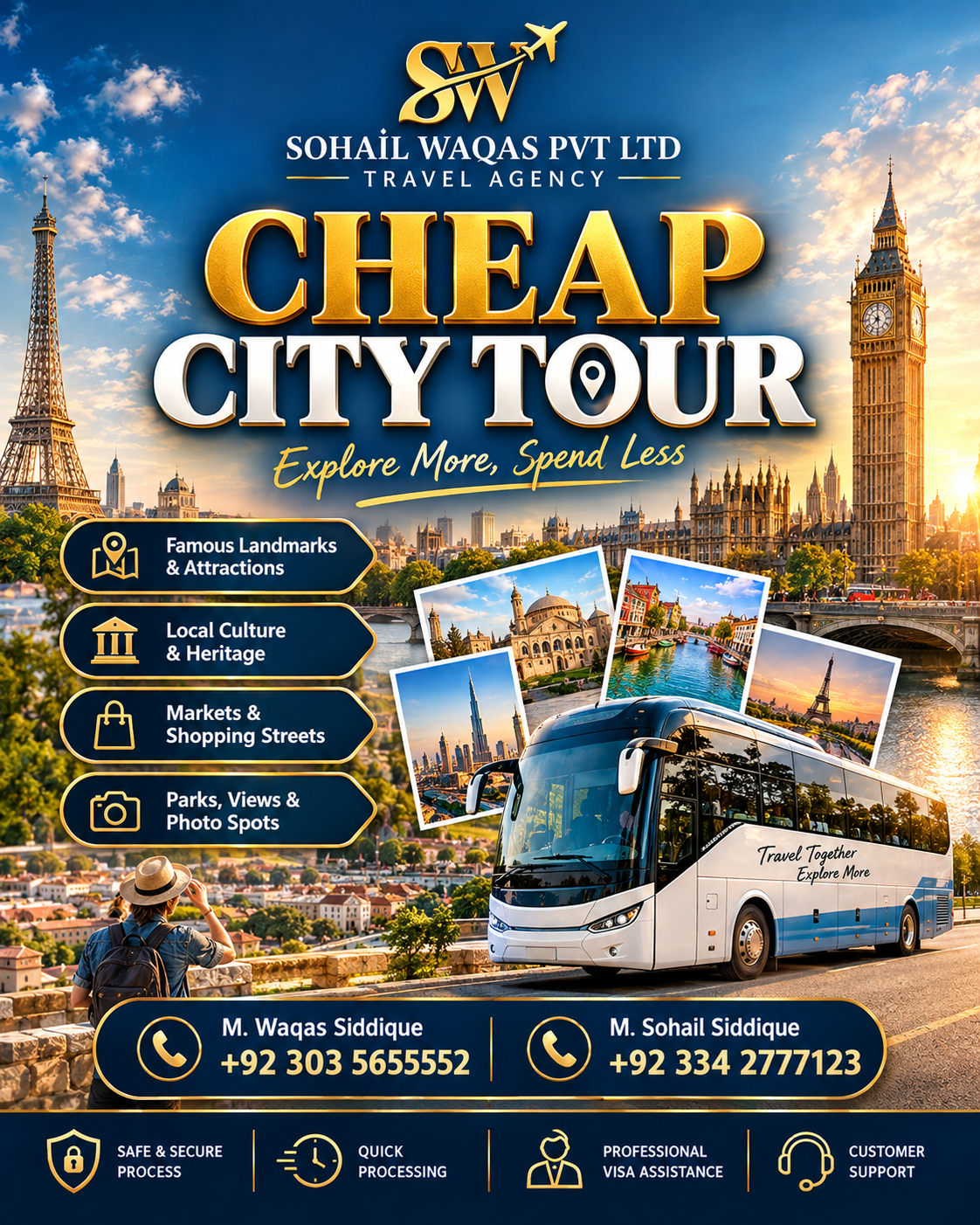
What Is a Cheap City Tour?
A city tour is a planned journey through a destination that allows visitors to explore its main attractions, neighbourhoods, cultural sites, and local experiences. It may be guided by a professional tour guide or completed independently with a prepared itinerary.
A budget-friendly tour focuses on making the experience practical and accessible without removing the highlights that make a destination worth visiting.
Depending on the city and your travel preferences, a tour may include:

-
Famous landmarks and monuments
-
Historic buildings and cultural attractions
-
Local markets and traditional shopping areas
-
Public parks, gardens, and waterfronts
-
Museums and art galleries
-
Popular neighbourhoods and local food areas
-
Photography spots and scenic viewpoints
-
Short visits to nearby attractions
Some travellers prefer a private vehicle and a personal guide, while others enjoy walking tours or shared sightseeing trips. The right option depends on your schedule, comfort, interests, and the destination.
The aim is simple: see more of the city, understand its character, and enjoy your journey without making the itinerary unnecessarily complicated.
Why Choose a Budget-Friendly City Tour?
Travelling is not only about visiting famous places. It’s also about how you experience them. A thoughtful itinerary can help you discover more while avoiding common travel problems.
1. Explore More Attractions in Less Time
When you arrive in an unfamiliar city, deciding where to begin can be difficult. Attractions may be spread across different neighbourhoods, and travel between them can take longer than expected.
A planned tour groups nearby places together. For example, you might visit a historic landmark in the morning, explore a traditional market nearby, and spend the afternoon in a public garden.
This approach reduces unnecessary movement and gives you more time to enjoy each location.
2. Discover Local Culture
A city is more than its famous buildings. Its culture can be found in local markets, traditional architecture, public spaces, and everyday interactions.
Walking through older neighbourhoods can reveal details that you might miss when travelling only between major attractions. You may notice local crafts, distinctive building styles, traditional food, or the way residents use public spaces.
A knowledgeable guide can provide additional context and explain the history behind these everyday sights.
3. Enjoy a Flexible Travel Experience
Not every traveller wants the same experience. Some people prefer history and architecture, while others enjoy shopping, photography, nature, or local cuisine.
A flexible itinerary allows you to focus on your interests. Families can include child-friendly attractions, couples can explore scenic locations, and solo travellers can spend more time at places that interest them.
Before confirming a tour, ask whether the schedule can be adjusted to suit your preferences.
4. Reduce Travel Stress
Planning a day in an unfamiliar destination can involve several decisions, including transportation, opening hours, walking distances, and the best order for visiting attractions.
A clear itinerary helps you prepare in advance. You’ll know where you’re going, what to bring, and how much time to allow for each stop.
This is especially useful for visitors with limited time, including people on short holidays or business trips.
5. Create Memorable Travel Experiences
Some of the best travel memories come from simple experiences. Watching the sunset from a public viewpoint, discovering an old street, taking photographs of impressive architecture, or spending time in a lively local market can make a trip feel special.
A successful city tour gives you opportunities to experience these moments instead of rushing from one attraction to another.
Types of City Tours to Consider
There isn’t one type of tour that works for everyone. Understanding the available options can help you choose an experience that matches your travel style.
Guided City Tours
Guided tours are suitable for travellers who want explanations, historical information, and help navigating the destination.
A professional guide may explain the background of major landmarks, introduce local customs, and recommend attractions that visitors might otherwise overlook.
Guided tours can be especially helpful when visiting a city with a complex history or unfamiliar language.
Before booking, check the guide’s language, the itinerary, the group size, and whether entrance tickets are included.
Walking City Tours
Walking tours offer a closer look at a destination. They are particularly useful in historic districts, pedestrian-friendly neighbourhoods, and areas where attractions are close together.
You can observe architectural details, explore small streets, visit local shops, and experience the atmosphere at a comfortable pace.
However, walking tours may not suit everyone. Consider the weather, walking distance, accessibility, and availability of rest stops before choosing one.
Shared Group Tours
Shared tours allow several travellers to explore together. These trips often follow a fixed schedule and can be useful for visitors who want an organized experience.
They may include transportation between major attractions, a guide, or a combination of sightseeing activities.
Check the meeting point and departure time carefully. Ask whether the tour waits for late arrivals and how much time is provided at each attraction.
Private City Tours
Private tours offer a more personal experience. The schedule may be adjusted to suit your interests, mobility needs, or available time.
For example, a family might prefer fewer stops with longer breaks, while a photography enthusiast may want additional time at scenic viewpoints.
Private tours can also make coordination easier for travellers who prefer not to join a large group.
Self-Guided City Tours
A self-guided tour is ideal for independent travellers who enjoy exploring at their own pace.
You can use a map, a downloaded itinerary, public transport information, and official attraction websites to plan your route.
This option provides flexibility, but it requires more preparation. Confirm opening hours, check local transport services, and download essential information before leaving your accommodation.
How to Plan a Cheap City Tour Step by Step
Good planning doesn’t need to be complicated. Follow these steps to create a practical sightseeing itinerary.
Step 1: Choose Your Main Interests
Begin by deciding what you want to experience.
Are you interested in history, modern architecture, nature, shopping, food, or family activities? Choosing two or three main interests will help you narrow down the attractions worth visiting.
For example, a traveller interested in history might prioritize monuments, museums, and heritage streets. Someone who enjoys photography might prefer skyline viewpoints, colourful markets, and waterfront areas.
Avoid trying to include every attraction in the city. A realistic plan usually creates a more enjoyable experience.
Step 2: Research the Main Attractions
Prepare a list of the places you would most like to see.
Use official tourism websites, attraction pages, and reliable local information to check:
-
Opening and closing hours
-
Days when attractions are closed
-
Ticket requirements and booking rules
-
Dress codes and visitor restrictions
-
Accessibility arrangements
-
Photography policies
-
Seasonal events or temporary closures
This research helps prevent unpleasant surprises on the day of your tour.
Step 3: Group Attractions by Location
One of the most useful planning techniques is to group nearby attractions together.
Imagine that three places on your list are located in the same historic district. Visiting them consecutively may be more practical than travelling across the city between every stop.
Use a map to identify neighbourhoods and estimate the journey between attractions. Remember to account for traffic, public transport waiting times, security checks, and walking distances.
Step 4: Select Suitable Transportation
Transportation can shape the entire tour experience.
Depending on the destination, your options may include walking, buses, trains, metro services, taxis, ride-hailing services, or a private vehicle.
Consider the following factors:
-
Distance between attractions
-
Local traffic conditions
-
Availability of public transport
-
Weather and walking conditions
-
Luggage or mobility requirements
-
The number of people travelling together
A combination of walking and public transport can work well in many cities. In destinations where attractions are widely spread out, an organized vehicle tour may be more convenient.
Step 5: Create a Realistic Schedule
Estimate how long you’ll need at each location. A major museum may require several hours, while a scenic viewpoint might only need a short visit.
Leave time for meals, prayer breaks where needed, rest, photographs, and unexpected delays.
A sample one-day itinerary might look like this:
| Time | Activity |
|---|---|
| 9:00 AM | Start at a major city landmark |
| 10:30 AM | Explore a nearby historic district |
| 12:00 PM | Take a break for lunch |
| 1:00 PM | Visit a museum or cultural attraction |
| 3:00 PM | Explore a local market |
| 4:30 PM | Relax in a public park or scenic area |
| 5:30 PM | Finish with photographs at a viewpoint |
This is a general example, not a schedule for a specific destination. Adjust it according to local opening hours, travel times, weather, and personal preferences.
Step 6: Confirm Tour Details Before Departure
If you’re booking an organized tour, make sure you understand what’s included.
Ask about the meeting point, departure time, transportation, guide services, entrance tickets, cancellation policy, and expected duration.
If you’re arranging a private tour, confirm the itinerary in writing so everyone understands the planned stops.
Clear communication helps you avoid confusion and enjoy the experience with greater confidence.
Step 7: Prepare for the Day
Before leaving, check the weather and pack what you’ll need.
Useful items may include:
-
Comfortable walking shoes
-
Drinking water
-
A fully charged mobile phone
-
A portable charger
-
Identification and booking confirmations
-
Sun protection where appropriate
-
Weather-appropriate clothing
-
Any required medication or personal essentials
Keep important documents secure and maintain access to emergency contact information.
Best Places to Include on a City Tour
The ideal attractions depend on your destination, but most cities offer a mixture of historical, cultural, modern, and natural experiences.
Historical Landmarks
Historic landmarks help visitors understand how a city developed. Forts, old city gates, monuments, heritage streets, and historic government buildings can reveal important parts of its past.
Check whether guided explanations are available. A short introduction to a landmark’s history can make the visit more meaningful.
Museums and Cultural Centres
Museums provide insight into local history, art, traditions, and important events. They can also be useful options during very hot weather or rainy conditions.
Some museums require advance reservations, even when general entry is available. Check their official visitor information before including them in your itinerary.
Local Markets and Shopping Streets
Markets offer a lively introduction to a city’s daily life. Depending on the destination, you may find handicrafts, textiles, traditional foods, souvenirs, and locally made products.
Be respectful when photographing shopkeepers or visitors, and ask permission when appropriate. If you plan to shop, allow enough time to browse without disrupting the rest of your schedule.
Parks and Green Spaces
Public gardens and parks provide a welcome break from busy streets. They may offer walking paths, shaded seating, landscaped gardens, and pleasant photography opportunities.
These locations can be especially useful for families and travellers who prefer a relaxed pace.
Modern Architecture and City Views
Many destinations combine historic neighbourhoods with contemporary skyscrapers, impressive bridges, and modern cultural buildings.
A city viewpoint can provide a different perspective on the destination. Before visiting a rooftop or observation deck, check access rules, weather conditions, and any reservation requirements.
Local Food Experiences
Food can be an important part of understanding a destination. Consider visiting a well-known local food district, trying a traditional dish, or taking a short break at a café.
If you have dietary restrictions or require halal food, research suitable options beforehand. You can also ask your tour provider about restaurants that match your requirements.
Cheap City Tour vs. Private Sightseeing: What’s the Difference?
Both organized group tours and private sightseeing experiences have advantages. The best choice depends on the type of trip you’re planning.
| Feature | Shared Group Tour | Private City Tour |
|---|---|---|
| Schedule | Usually fixed | May be flexible |
| Group size | Multiple travellers | Your own group |
| Personal attention | Shared with the group | More individualized |
| Route | Usually predetermined | May allow adjustments |
| Social experience | Opportunity to meet others | More private |
| Planning | Often organized in advance | May require itinerary discussion |
| Best suited for | Travellers who like structured group activities | Families, couples, or travellers with specific interests |
A self-guided tour is another option if you prefer complete independence.
Before making a decision, compare the actual itinerary, inclusions, transportation arrangements, and cancellation terms. The tour label alone doesn’t tell you how suitable the experience will be.
Common Mistakes to Avoid When Booking a City Tour
Even a well-planned trip can become stressful when small details are overlooked.
Trying to Visit Too Many Attractions
A packed itinerary may look impressive on paper, but it can leave you exhausted. Travel between locations often takes longer than expected, especially in busy cities.
Choose your main priorities and leave a little flexibility for unexpected discoveries.
Ignoring Travel Time
Two attractions may look close on a map but require a lengthy journey because of traffic, road layouts, or limited transport connections.
Check realistic travel times instead of estimating distance alone.
Not Checking Opening Hours
Museums, religious sites, markets, and historic attractions may have different schedules. Some locations close on particular days or restrict access during special events.
Verify the details shortly before your visit.
Overlooking Accessibility
Long walks, stairs, uneven pavements, and crowded spaces may create difficulties for some visitors.
If you’re travelling with older family members, children, or someone with limited mobility, ask about walking distances, accessible entrances, seating, and restroom facilities.
Booking Without Reading the Inclusions
A tour description may mention transportation or sightseeing without explaining exactly what’s covered.
Confirm whether entrance tickets, meals, parking, guide services, and hotel pickup are included. Never assume that every service is part of the booking.
Forgetting Local Customs
Every destination has its own cultural expectations. Clothing requirements, photography rules, public behaviour, and visitor restrictions can vary.
Research local customs before departure and follow instructions at religious and cultural sites.
Leaving Everything Until the Last Minute
Waiting until arrival to arrange every detail can limit your options, particularly during holidays and major events.
Book time-sensitive activities in advance and keep a backup plan for attractions that may be closed or unavailable.
Tips for Enjoying More During Your City Tour
A successful sightseeing experience is not measured only by the number of places you visit. How comfortably and meaningfully you explore matters just as much.
Start early when practical. Morning visits can help you avoid some crowds and enjoy cooler weather in warm destinations.
Keep your itinerary focused. Choose a few important attractions and explore them properly rather than rushing through a long list.
Use reliable maps. Download offline maps if your mobile connection may be unreliable. Save your accommodation and meeting point for easy reference.
Respect local communities. Follow photography rules, keep public areas clean, and behave respectfully in places of worship and cultural significance.
Stay hydrated. Carry water where permitted and plan rest breaks, especially in hot climates.
Protect your belongings. Keep passports, phones, and other valuables secure in crowded areas. Follow local safety advice.
Keep some free time. An unexpected café, a beautiful street, or a local event may become the highlight of your day.
Confirm arrangements with your tour provider. Keep the booking details, contact information, and meeting instructions accessible.
These small habits can make the experience smoother, more comfortable, and more rewarding.
Is a Cheap City Tour Suitable for Families?
Yes. A well-planned sightseeing tour can be suitable for families, provided the schedule matches everyone’s needs.
Children may enjoy interactive museums, open parks, aquariums, scenic transport routes, and attractions with hands-on activities. Adults may prefer historical landmarks, local markets, and architectural sites.
The key is balancing different interests.
Before booking, check the walking distance, restroom access, availability of breaks, and any minimum age requirements. If you’re travelling with a stroller, confirm whether the route is suitable.
Avoid scheduling several long visits without rest. Children can become tired quickly, and a more relaxed itinerary often creates a better experience for the whole family.
For larger family groups, discuss the itinerary in advance so that transportation and meeting arrangements are clear.
How to Choose the Right City Tour Provider
Selecting a suitable provider is just as important as choosing the destination.
Start by looking for clear information about the company, its services, and the experience it offers. Read recent customer reviews where available, paying attention to comments about punctuality, communication, guide knowledge, and how the provider handles changes.
Ask these questions before confirming your booking:
-
What attractions are included in the itinerary?
-
Is the tour guided or self-guided?
-
What transportation arrangements are provided?
-
Are entrance tickets included or arranged separately?
-
How long will the tour last?
-
Is the itinerary suitable for children or older travellers?
-
What happens if weather or traffic causes a delay?
-
What is the cancellation or rescheduling policy?
-
Is the meeting point easy to find?
-
Who should you contact if you need assistance?
A professional provider should explain the arrangements clearly and avoid making unrealistic promises.
Keep written confirmation of the agreed services. This gives you a useful reference if questions arise before or during the trip.
Why Plan Your City Tour with a Travel Agency?
Planning independently can be rewarding, but some travellers prefer help organizing their journey.
A travel agency may assist with researching suitable tours, coordinating transportation, arranging sightseeing activities, and explaining booking requirements. The services available will depend on the agency, destination, and package selected.
This support can be particularly helpful if you’re travelling internationally, visiting a destination for the first time, or coordinating arrangements for several family members.
When contacting an agency, explain your travel dates, preferred attractions, group size, mobility requirements, and whether you want a guided or independent experience.
Be specific about what matters most to you. For example, you might prefer historical attractions and local markets over shopping centres, or you may need an itinerary that avoids long walks.
Clear preferences help the travel team recommend options that suit your plans.
Planning City Tours for International Travellers
International travel involves more preparation than a local day trip. Along with sightseeing arrangements, you may need to check entry requirements, travel documents, transport connections, and local rules.
Before departure, confirm the passport validity requirements and entry conditions that apply to your nationality and destination. Visa requirements can change, so rely on current official government information rather than outdated social media posts.
Keep copies of important documents in a secure location and maintain access to your accommodation details and travel itinerary.
If your city tour is part of a longer holiday, coordinate the sightseeing schedule with your arrival and departure times. Allow enough time for airport transfers, immigration procedures, luggage collection, and unexpected delays.
Travellers visiting multiple cities should also consider how they will move between destinations. Trains, domestic flights, buses, and private transfers may have different booking and luggage requirements.
Planning these details ahead of time can help you spend more of your holiday enjoying the destination itself.
Frequently Asked Questions About Cheap City Tours
4. FAQ Section
1. What is included in a cheap city tour?
Inclusions vary by destination and provider. A tour may include a guide, transportation between attractions, sightseeing stops, or an organized walking route. Entrance tickets, meals, and hotel pickup may be separate, so confirm the details before booking.
2. How do I find a cheap city tour in a new destination?
Research established tour providers, compare itineraries, read recent reviews, and check official attraction information. Choose a route that groups nearby places together and matches your interests, schedule, and transportation needs.
3. Is a city tour better with a guide or independently?
A guided tour provides local knowledge and structured planning, while an independent tour offers greater flexibility. Your choice depends on how comfortable you are navigating the destination and whether you prefer expert explanations or exploring at your own pace.
4. How long should a city sightseeing tour last?
A short tour may cover a few major landmarks, while a full-day itinerary can include several neighbourhoods and cultural attractions. The ideal duration depends on the destination, travel times, opening hours, and how much time you want to spend at each stop.
5. Can I arrange a city tour for my family?
Yes. Many sightseeing experiences can be adapted for families, depending on the provider. Check walking distances, transport arrangements, accessibility, child-friendly attractions, and opportunities for rest before confirming the itinerary.
6. What should I check before booking a city tour?
Review the itinerary, meeting point, tour duration, transportation, entrance requirements, cancellation terms, and customer reviews. Ask the provider to clarify any service that isn’t clearly described in the booking information.
# 5. Contact Details
Planning your next sightseeing experience? Contact our travel team to discuss your travel requirements, preferred destinations, and suitable tour arrangements.
M. Waqas Siddique
Phone: +92 303 5655552
M. Sohail Siddique
Phone: +92 334 2777123
Get in touch to discuss your travel plans and make your next city exploration organized, comfortable, and memorable.
