
The Allure of Gambling: Understanding the Attraction
The psychology behind why individuals are drawn to casinos encompasses various factors, from the thrill of chance to the social environment present in these spaces. One primary driver is the excitement that comes from engaging in games of chance, where the possibility of winning or losing creates a heightened emotional state. This adrenaline rush can be addictive, leading players to return repeatedly in hopes of experiencing that same thrill. Furthermore, the sensory experiences offered by casinos—bright lights, sounds of celebration, and the scent of food—serve to enhance this magnetism, creating an environment where players can lose themselves in a bitcoin casino.

Social interaction also plays a significant role in casino attraction. Many people enjoy the camaraderie that can develop in gaming areas, whether through shared excitement over a big win or collective disappointment over a loss. This social dimension not only fosters a sense of community but also influences decision-making, as players may mimic each other’s behaviors in hopes of replicating successful strategies. Thus, the combination of individual thrill-seeking and social engagement makes casinos particularly enticing environments.
The Role of Cognitive Biases in Gambling Decisions
Cognitive biases are systematic patterns of deviation from norm or rationality in judgment. In the context of casinos, these biases can heavily influence player behavior and decision-making. One of the most notable examples is the illusion of control, where players believe they can influence the outcome of games based on previous experiences or strategies, despite these games being predominantly based on chance. This belief can lead to increased engagement and gambling, as players feel empowered to affect their luck.
Another common bias is the gambler’s fallacy, where players mistakenly believe that past events will influence future outcomes. For instance, if a player observes a certain number come up frequently in a roulette game, they may conclude it is “due” to appear again, leading to premature betting decisions. Understanding these cognitive distortions can provide insight into why players continue to gamble, often despite facing losses that contradict their beliefs.
The Emotional Rollercoaster of Winning and Losing
The emotional landscape of gambling in casinos can be likened to a rollercoaster ride, marked by peaks of exhilaration and valleys of disappointment. Winning can generate feelings of euphoria, which not only reinforce the behavior but also create a desire to chase that high again. This emotional gratification can lead to a cycle whereby players continually seek out that same feeling, even at the cost of financial stability.
Conversely, the experience of loss can invoke feelings of frustration and sadness, but it can also lead to a ‘loss-chasing’ behavior. This phenomenon occurs when players increase their stakes in an attempt to recoup their losses, often leading to further financial detriment. The interplay between these emotional highs and lows significantly impacts player behavior, making it essential for casinos to understand these psychological patterns when designing their gaming environments.
The Impact of Environment on Gambling Behavior
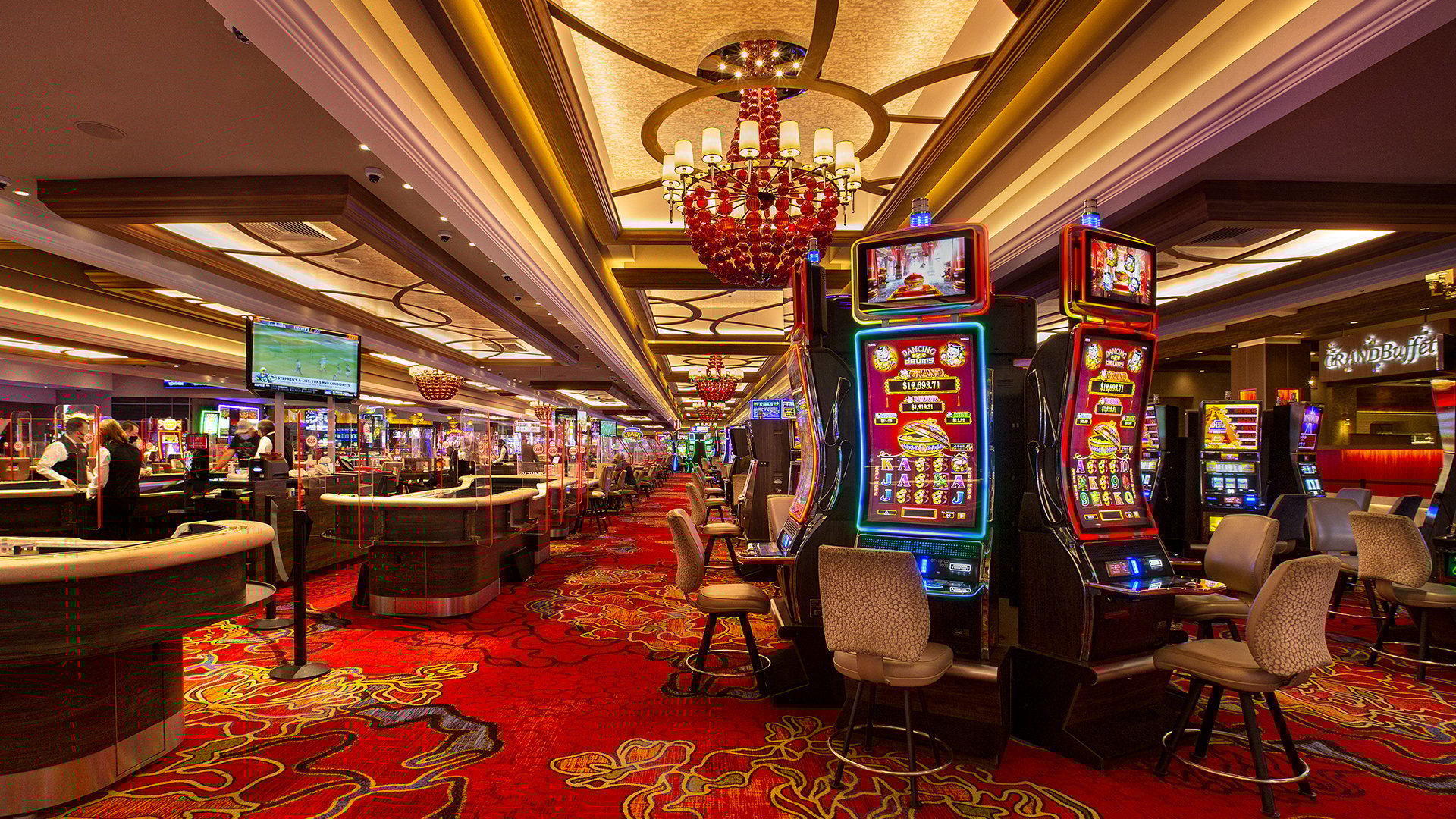
The physical environment of a casino can significantly affect player behavior. Factors such as layout, lighting, and sound design are strategically implemented to encourage extended play. For instance, casinos are often designed without clocks or windows, creating a sense of timelessness that encourages players to lose track of time and continue gambling. This intentional design choice capitalizes on the psychological aspects of immersion and engagement.
Additionally, ambient sounds, such as the jingling of coins and cheers from nearby tables, can stimulate excitement and encourage players to participate more actively. These auditory cues combined with the visual stimulation create an atmosphere that captivates the senses, reinforcing a desire to stay longer and gamble more. The influence of the environment on gambling behavior highlights the importance of tailored experiences that keep players engaged.
Prioritizing Player Safety and Wellbeing
In light of the complex psychological factors that drive player behavior in casinos, it becomes crucial to prioritize player safety and wellbeing. Recognizing the potential for problematic gambling behaviors, many casinos are now implementing responsible gaming programs. These initiatives aim to promote awareness of gambling risks and provide resources for those who might need assistance in managing their gaming habits.
At our website, we are committed to promoting secure and responsible gaming practices. We believe in creating an accessible and informative environment for users to explore the intricate world of casinos while ensuring a focus on safety and responsible behavior. Our resources are designed to assist players in understanding their habits and making informed decisions in their gaming experiences.